Breaking Down the Data: What Digital Ordering Teaches You About Your Customers
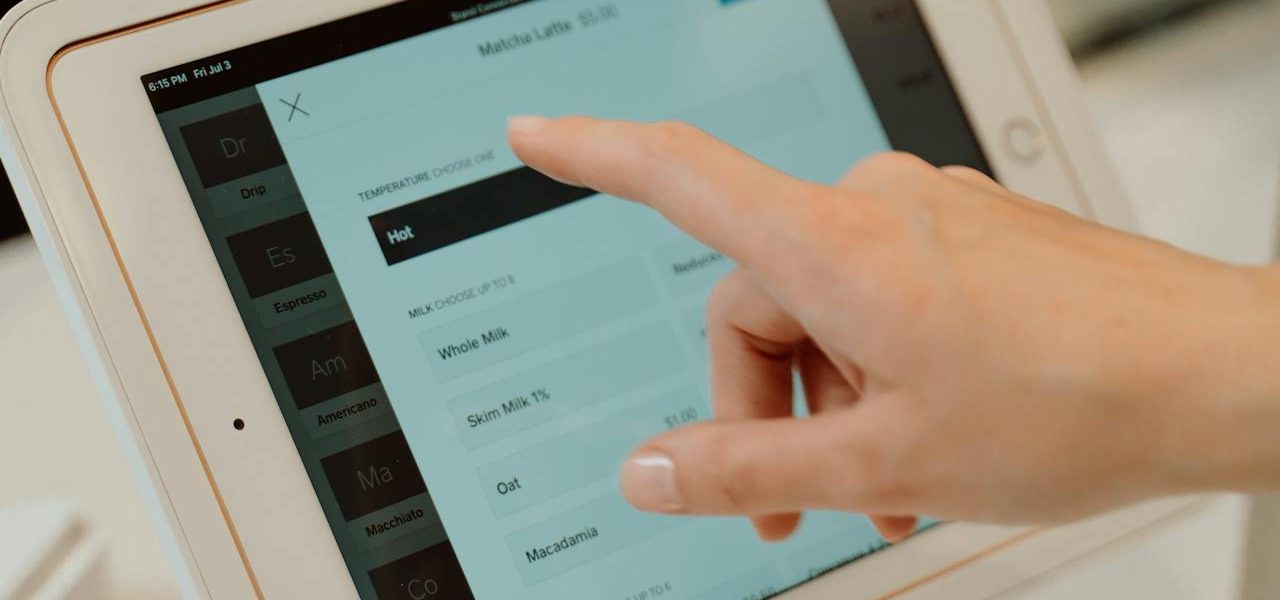
Digital ordering isn’t just about convenience anymore. It’s become a data goldmine, giving businesses real insight into how their customers think, what they want, and how they behave. Whether you’re running a coffee shop with kiosk ordering stations or a full-service restaurant offering app-based takeout, the information you collect is far more valuable than the transaction itself. Let’s break down what this data reveals – and how you can use it to make smarter business decisions.
1. Understanding Ordering Patterns
Every order placed digitally creates a timestamped record of customer behavior. Over time, patterns start to emerge. Maybe weekday mornings are all about black coffee and breakfast sandwiches, while weekends show a spike in indulgent desserts and group orders.
This type of data does more than just show you “what sells.” It allows you to:
- Predict demand during peak hours
- Adjust staffing levels to match traffic
- Optimize stock levels to reduce waste
By paying attention to these patterns, you can make your operation more efficient without guessing what customers might want next.
2. Personalization at Scale
One of the most powerful advantages of digital ordering is the ability to personalize the experience without extra effort from your staff. Every tap or click a customer makes adds to a profile that helps you understand their preferences.
For example:
- A customer who always customizes their burger might appreciate targeted offers for premium toppings.
- Someone who orders the same salad every Tuesday could be nudged with a loyalty reward that encourages them to try a new menu item.
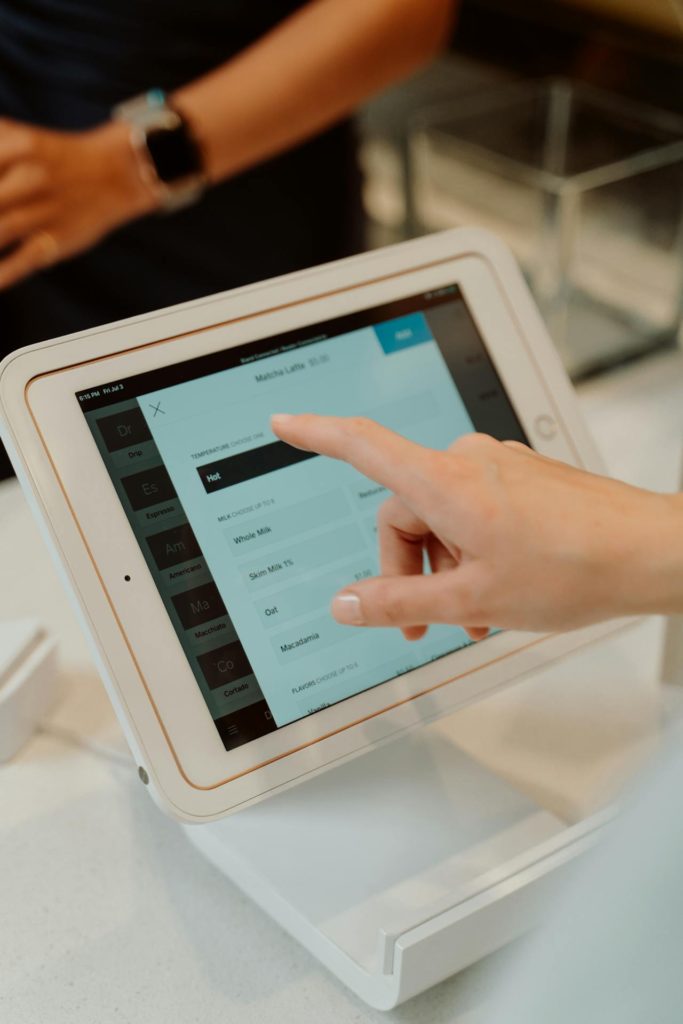
With kiosk ordering, this personalization feels organic. Customers see their favorite choices recommended to them, making the experience faster and more satisfying while boosting your chances of repeat visits.
3. Measuring Menu Performance
Before digital ordering, figuring out how well a specific menu item performed relied on manual tracking or staff observations. Now, you can pull exact numbers in seconds.
This data tells you:
- Which items are best-sellers and should stay
- Which products need better marketing
- When seasonal items lose their appeal
With this level of insight, menu engineering becomes a science rather than guesswork. You can test new products, track their performance in real-time, and make data-driven decisions that maximize profitability.
4. Identifying Bottlenecks in the Customer Journey
Data isn’t just about what customers order—it’s also about how they interact with your system. If you notice a high rate of cart abandonment on your mobile app or long wait times at your kiosks during peak hours, it’s a sign that something in the process needs fixing.
By digging into metrics like order completion rates, average wait times, and repeat usage, you can identify friction points and streamline the customer journey. A small tweak—like simplifying the checkout screen or adding clearer prompts—can dramatically improve customer satisfaction.
5. Real-Time Feedback Without the Awkwardness
People don’t always feel comfortable giving feedback in person. Digital ordering solves this problem by creating an easy channel for customers to share their thoughts.
Quick post-order surveys, optional ratings, or follow-up emails give you actionable feedback at scale. This feedback, combined with the hard data from your system, provides a 360-degree view of the customer experience, helping you address issues before they snowball into bigger problems.
6. The Power of Location Data
If you’re running multiple branches, digital ordering gives you a clear picture of how behavior varies by location. Maybe one store does well with family bundles, while another thrives on solo lunch orders.
With this data, you can tailor promotions and inventory to each location, reducing waste and boosting revenue. It’s hyper-local insight that simply isn’t possible with manual methods.
7. Boosting Loyalty and Retention
Customers who use digital platforms are easier to retain because their habits are trackable. Loyalty programs tied to kiosk ordering systems or apps give you direct channels to keep them engaged with targeted offers, early access to new items, or reward systems.
Retention isn’t just about discounts, though. When customers feel that a brand “knows” them – offering the right suggestion at the right time – they’re more likely to come back without needing an incentive.
8. Predicting Trends and Staying Ahead
Digital ordering data also helps you spot emerging trends. If plant-based options suddenly start climbing in popularity or smaller portion sizes begin to sell out, you can respond faster than competitors still relying on anecdotal insights.
This agility keeps your menu fresh and your customers engaged, all while positioning your brand as one that listens and evolves with demand.
9. Making Smarter Marketing Decisions
Finally, the insights from digital ordering feed directly into your marketing strategy. Instead of guessing which promotions will work, you can analyze real data:
- Which offers drove the most traffic
- What times customers respond best to push notifications
- How certain campaigns affect average order value
This data-backed approach means your marketing dollars are spent more effectively, driving higher returns without unnecessary trial and error.
Bringing It All Together
Here’s the thing: the transaction is just the surface. Every tap on a kiosk ordering screen or click in an app is a piece of a bigger puzzle. When you put those pieces together, you get a clear, actionable picture of your customers – what they want, when they want it, and how they prefer to interact with your brand.
The businesses that thrive in this digital-first environment aren’t the ones with the fanciest tech. They’re the ones that treat data as a strategic asset, using it to create better experiences, smarter operations, and stronger customer relationships.
You can find more similar articles on our Science & Tech pages.